Everything is index cards

Note

I wrote this post as an exercise during a meeting of IndieWebClub Bangalore.

Much of the knowledge-management software we use today is modeled after stacks of index cards. Here is a growing list of applications that are directly or indirectly digital recreations of processes and techniques commonly used with index cards in the analog world.

I’ll keep appending to this list.

HyperCard
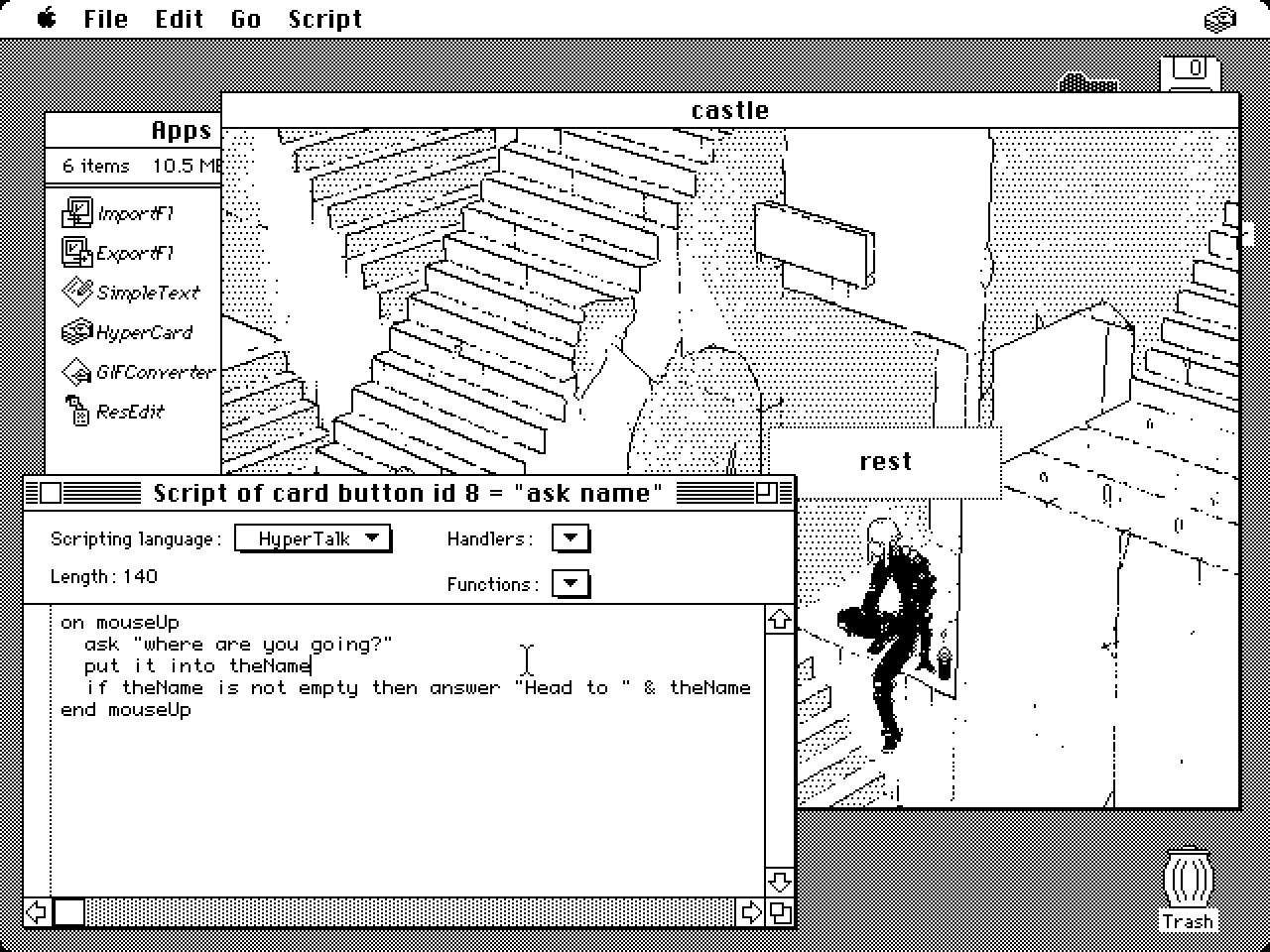
Monochrome screenshot of an old MacOS version running HyperCard. Screenshot shows three windows open. One window contains HyperTalk code, another displays a card with an image of a person sitting on a staircase. The last window is obscured.
Image credit.

More information: https://en.wikipedia.org/wiki/HyperCard

Trello
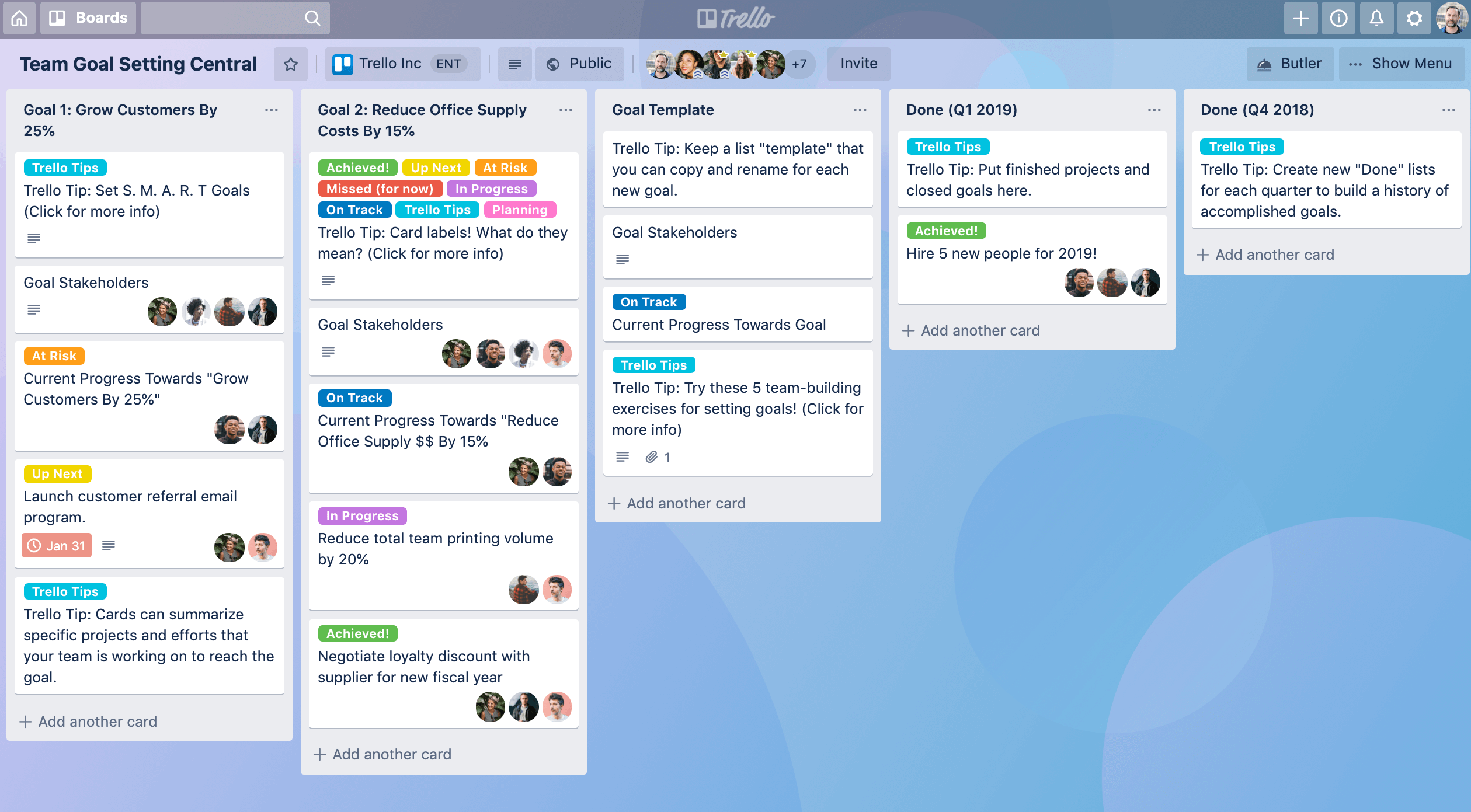
Screenshot of a Trello board displaying a team-based goal-setting exercise.
Image credit.

More information: https://trello.com

Google Keep
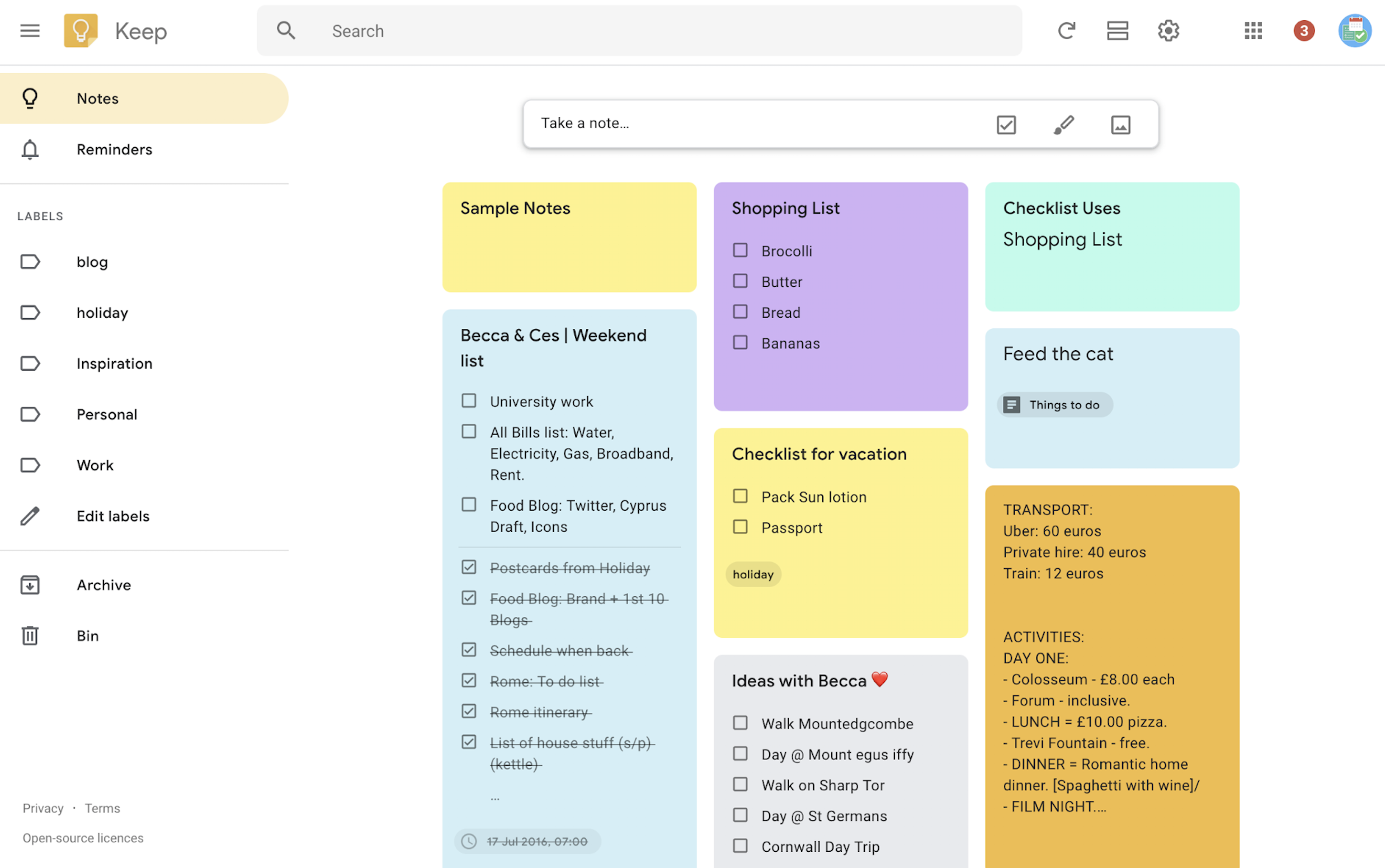
Screenshot of a number of example Google Keep notes.
Image credit.

More information: https://keep.google.com

Scrivener
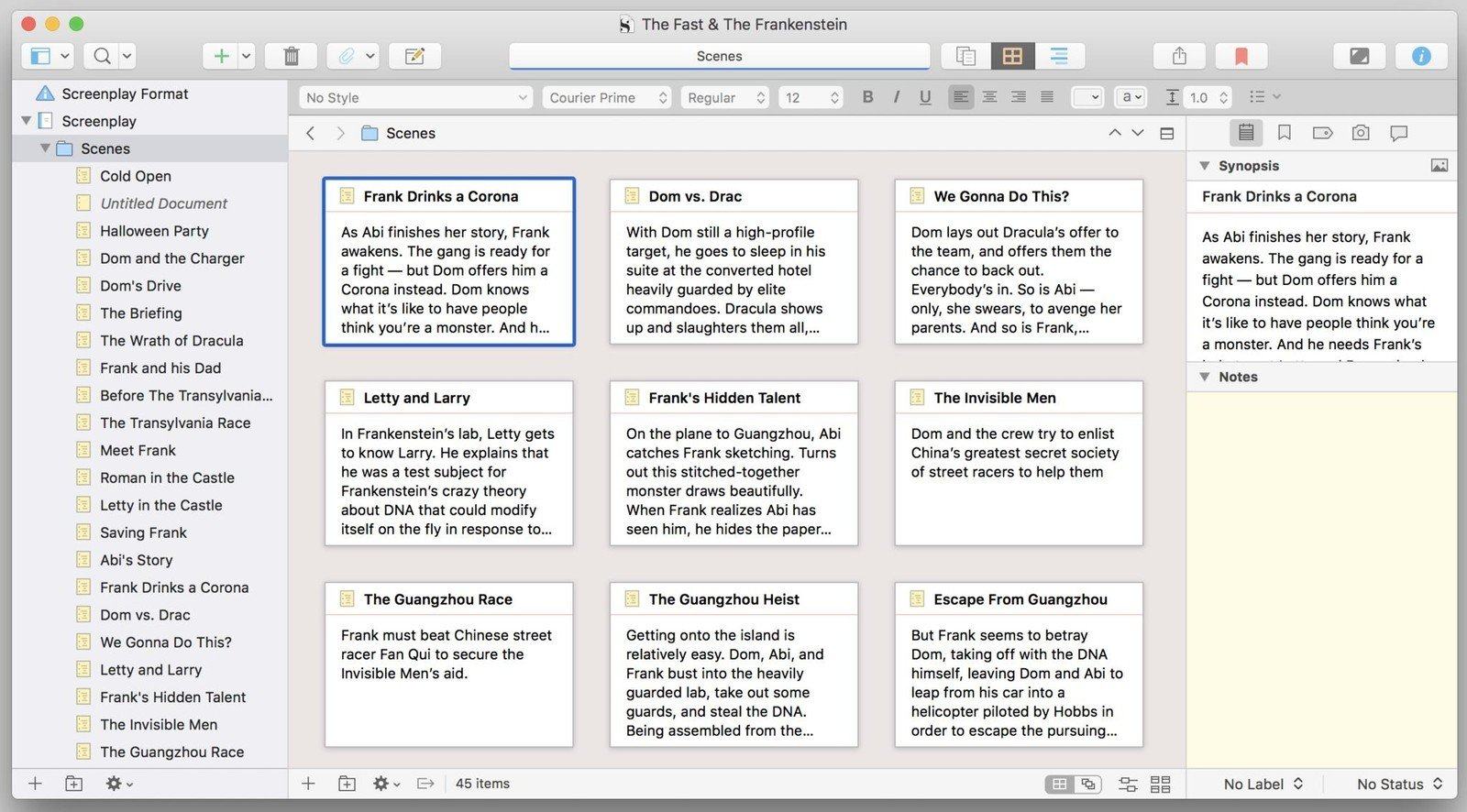
Screenshot of a Scrivener project. The UI is set to Scrivener's corkboard mode, which displays a virtual corkboard on which each chapter appears as an index card. Each index card has the summary of a chapter on it.
Image credit.

More information: https://www.literatureandlatte.com

TiddlyWiki
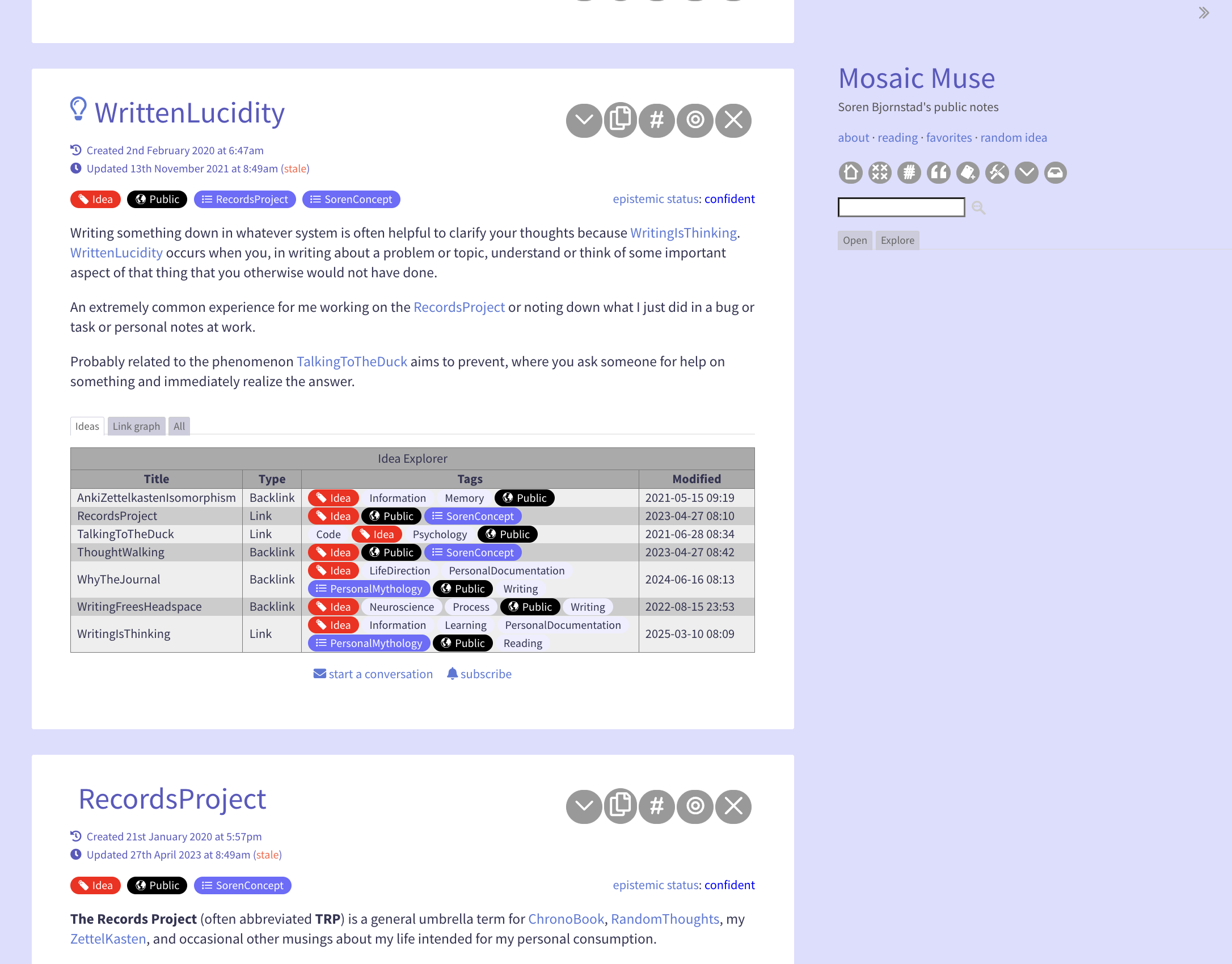
Screenshot of a TiddlyWiki. Each article in the wiki appears as an index card. Articles are arranged top to bottom, with a sidebar on the right for navigation. This wiki is called Mosaic Muse.
Screenshot of Mosaic Muse by Soren Bjornstad.

More information: https://tiddlywiki.com